Author: Erin

About Erin

Erin is a former Account Supervisor at Hanapin Marketing, a search engine marketing firm focused on generating results through pay-per-click advertising.

Our Guide to Google Analytics IQ Testing: E-commerce Tracking

This is the second installment of a collaborative series between PPC Hero and SEO Boy to help readers prepare for the Google Analytics Individual Qualification (IQ) Test. This series covers the most important aspects of the IQ Test and will prepare you to earn a high score.

While the Google Analytics test might seem daunting, I am here to say it isn’t nearly as difficult as one might think, as long as you do your homework. Yesterday, Steve covered the different types of Google Analytics cookies and how they are each used to track activity. Now that you understand how Google Analytics tracks information with a user, let’s go through how e-commerce data is passed into Google Analytics.

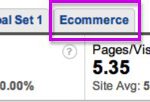
If your site sells any sort of products or services online, you should have e-commerce tracking in place. If not, it is time to start! E-commerce reports will allow you to track your site’s transactions, revenue, products purchased, e-commerce conversion rate, the number of times people visited your site before purchasing, etc. If you have your account synced with your Google AdWords account, you can also review revenue data by keyword to help with PPC optimizations. The e-commerce tab appears on almost every data page within Google Analytics, so you can break down revenue in just about any way imaginable.

Navigating PPC Trademark Rules

People are often confused about trademarks in general, but even more so when it comes to trademarks and PPC. Just the word brings about a sigh, as most foks equate trademarks with legal matters, which automatically sound confusing. In order …

Finding Success on the Google Content Network

Google’s content network can be a little mysterious, but you shouldn’t let it scare you. For those of you new to the Adwords and/or PPC scene, the Google content (or display) network is a great way to help expand your reach beyond just traditional search results. Before you dive in, know that the content network will dramatically increase your impressions, which can often lead to an overall decrease in CTR and typically a much lower conversion rate. As a best practice, always break out your content campaigns separate from search campaigns so you can keep better tabs on what is happening and control the performance.

6 Optimization Tips to Get Ready for the New Year

Well the Turkey, stuffing and potatoes came and went and as the last of green bean casserole is finished, it is time to admit we are in full holiday mode. Halloween barely left us and the stores already had trees, lights and wrapping paper overflowing into the aisles but there is something about the constant holly jolly music in all of the stores now that really spells out ‘tis the season. So, what does all of that mean for your PPC accounts? Depending on your products, services, etc. it may mean this is your busiest time of the year or for others, it could be that things are slowing down for year-end. If you have an e-commerce site or have products/services where this is your busy season, you are already in full swing and optimizing your campaigns daily to boost performance. If this isn’t the high season for your account, I highly recommend using this month to focus on an end of the year clean-up to make sure your account is in top shape for the New Year.

Using Microsoft Advertising Intelligence for Keyword Expansion

October was quite an interesting month for PPC. With the Yahoo/Microsoft PPC transition, I found my Yahoo and adCenter accounts performing out of the ordinary. Terms that had traditionally done well in MSN suddenly weren’t converting quite as well and other keywords that had never attracted much traffic (and spend) suddenly took off. With all traffic now through adCenter, I am spending a good portion of my time there and am finally seeing results for my efforts. While Google remains as a personal favorite because of the ease of use, I am finding tools to make life a little easier in adCenter.

First of all, you should be using the Microsoft adCenter Desktop tool. If you haven’t migrated to it, make sure you do so right away. If you work on a mac though, sorry you are out of luck as it is PC only.

How to Troubleshoot Conversion Tracking Issues

We all know the importance of data but what is even more important is that the data you are tracking is correct. Your PPC success hinges on not only the numbers in your account but also that the numbers you are seeing are correct.

So what happens when you launch a new landing page and things are not tracking correctly, what can you do? Did you inherit an account and things aren’t looking quite right? In order to pinpoint the issue, there are a series of steps you can go through to try and fix the problem and get back on track.

1. Try submitting a test and make sure your form is working correctly. This is a crucial step anytime you change something in your account that impacts tracking – always submit a test lead to be sure it is working. This seems basic, but it is a step that is often overlooked. Once you load the URLs into your PPC account, click through the process yourself. After you do, confirm that the lead or conversion is showing up in not only the PPC system but also in the client’s system. Did the submission go through fine but you don’t see a lead in your PPC accounts? Move on down the list to try one of the other suggestions. If the lead does not show up in the client’s system, then you need to work with them to trouble shoot URLs along with other possible issues.

Identifying & Improving Poor Landing Pages

The last few weeks we have been tackling basic PPC principles, looking at “how can I make it better?” with some general best practices and tips. We have looked at account structure tips and steps to improve your quality score as these are two fundamentals to any PPC campaign. I have also previously covered landing page best practices to make sure that the traffic you are driving does the right thing once the click. Now that you know the basic principles of landing pages, let’s take it one step further to look at some rights and wrongs and figure out how to really make your landing page better.

Developing a PPC Strategic Plan

You just got a new PPC client or maybe you are starting an account for a new brand or division of your company – what are you going to do first? Keyword research? Write ads? Before you dive in head …

What Your Text Ads Say About You

PPC ads are like a first impression for your company or product. How you do want to come across – cheap, smart, desperate? A potential customer sees your ads first and if they are interested beyond the “hand-shake”, will click to find out more. Going along with this analogy, your landing page could then be called the first date – the customer has expressed some interest but wants to get to know you a little better before they commit to anything more. Help yourself get the first date by taking a look at your ads; you might be coming across the wrong way.

Start by doing an audit of your ads. If you have been running your campaign for more than a year, you are probably more than due for a little makeover. By audit, I don’t just mean writing a few new ads and pausing any that are underperforming. I mean a deep dive – look at not only your ads but also those from competitors and other companies in your industry. If you typed in a few of your high traffic keywords, do you have a good idea of the types of messages that would show up along side your ad? If not, it is time to take a step back and look at the big picture.